Skip to content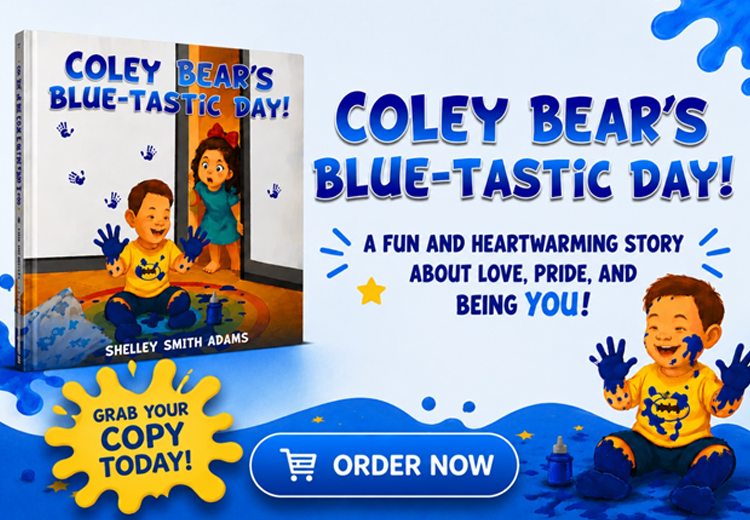
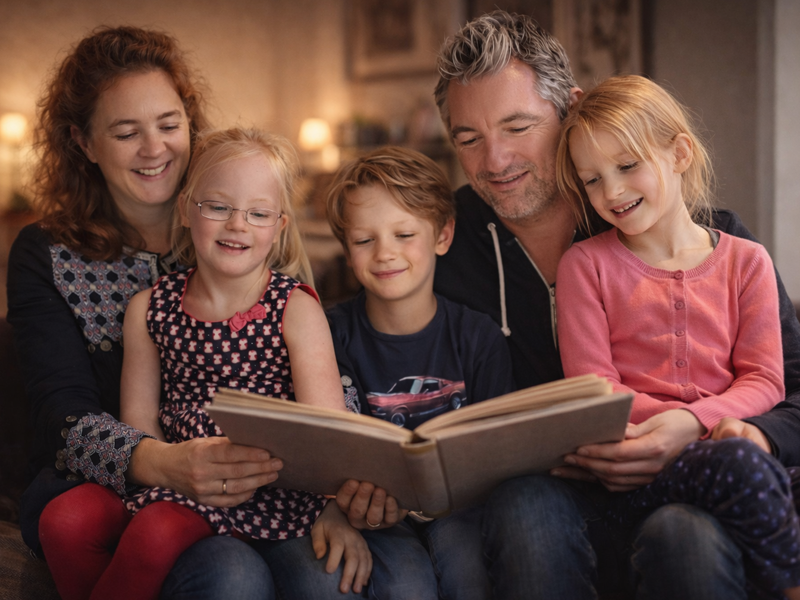
There’s a moment most families recognize: a child curled up close, waiting for the next page… and quietly deciding whether the story feels like them, or like someone they might someday understand. That’s the power behind inclusive children’s picture books. They don’t just entertain. They help kids practice belonging.
In 2025, many families are looking for the best inclusive picture books not because inclusion is a trend, but because childhood is full of differences: different bodies, different brains, different cultures, different emotions, different ways of communicating. A truly inclusive bookshelf tells kids one simple thing again and again: there’s room for you here.
And if there’s one story that captures that “room for you” feeling with warmth, humor, and bright kid-energy, it’s Coley Bear’s Blue-Tastic Day! It is a picture book that turns a very relatable mess into a very memorable lesson in acceptance and love.
Why Inclusion in Children’s Books Isn’t Optional Anymore
Inclusion matters because children notice differences long before they can name it. When books only show one “default” kind of kid, the message can land hard: some people belong in stories…and some don’t.
Inclusive stories do the opposite. They give children:
- Mirrors: “Someone like me exists in books.”
- Windows: “Someone different from me is fully human, too.”
- Language: “Here’s how to talk about feelings, bodies, abilities, and identity with care.”
That’s also why inclusion overlaps naturally with character-building themes—courage, kindness, resilience, and making things right after mistakes. If families want more stories that build those traits, they can also explore inspirational children’s books for titles that spotlight empathy and inner strength in age-appropriate ways.
Top Inclusive Picture Books That Make Room for Every Child
Below is a practical listicle of top children’s picture books about inclusion, with something for many different needs and experiences.
1. Coley Bear’s Blue-Tastic Day! — Shelley Smith Adams
Coley Bear’s Blue-Tastic Day! follows Cole as he watches a painting cartoon, gets inspired, and sneaks fingerpaint from the craft cabinet—choosing his favorite color, blue—then starts painting with one finger and quickly ends up turning himself (and the sofa) completely blue. In this warm and humorous story by Shelley Smith Adams, Cole’s sister Ryleigh discovers the mess and calls Mom, who responds with love, gives Cole a bath, and gently helps him learn that next time paint belongs on paper, while Dad helps with the cleanup, making the story a warm, funny reminder that kids learn best when adults guide them with kindness. The purpose of the book is to normalize inclusive family life by showing a child’s creativity, big feelings, and learning process in a warm, relatable way.
2. Just Ask!: Be Different, Be Brave, Be You — Sonia Sotomayor
This book invites children to approach differences with curiosity and kindness. Its garden metaphor makes it easy for kids to understand that communities become more beautiful when everyone is included.
3. All Are Welcome — Alexandra Penfold
A comforting, rhythmic classroom-centered book that celebrates cultures, backgrounds, and everyday belonging (especially great for back-to-school season.)
4. I Talk Like a River — Jordan Scott
For children who stutter (and for everyone who has ever felt stuck), this story uses poetic language and a parent-child bond to reframe communication with gentleness and dignity.
5. My Three Best Friends and Me, Zulay — Cari Best
A confident, joyful story of a blind child who wants to run a race on Field Day. It’s a great reminder that inclusion is also about letting kids choose their challenges and be supported without being underestimated.
6. The Girl Who Thought in Pictures: The Story of Dr. Temple Grandin — Julia Finley Mosca
A lively, kid-friendly introduction to a famous visual thinker, showing how different ways of processing the world can be strengths—especially for STEM-curious kids.
7. A Friend for Henry — Jenn Bailey
A tender story about friendship and belonging from the perspective of a child on the autism spectrum—perfect for talking about routines, sensory overwhelm, and what “being a good friend” can look like.
8. What Happened to You? — James Catchpole
A sharp, funny, honest look at how constant questions can wear a kid down and how peers can learn to focus on play, not prying. Great for teaching boundaries and respectful curiosity.
9. Sam’s Super Seats — Keah Brown
It’s a delightful picture book about a girl with cerebral palsy who, despite her disability, goes shopping with her closest friends for school supplies. A joyful celebration of rest, access needs, friendship, and self-advocacy wrapped in humor and personality.
10. Wonder — R. J. Palacio
A modern classic that many families use to talk about kindness, bullying, and what it means to be truly seen. (Best for independent readers or family read-aloud with older kids.)
Looking for a wider variety across themes like friendship, growing confidence, and emotional growth? Many families also pair these with picture books for kids lists to round out a well-balanced home or classroom library.
Books Featuring Down Syndrome Characters
Some caregivers search specifically for inclusive picture books for Down syndrome kids. While not every inclusive title names a diagnosis on the page, families often find that books centered on dignity, joy, and belonging still meet the deeper goal: helping children feel valued and understood. Coley Bear’s Blue-Tastic Day! is especially strong on that front because it centers the child’s delight and personality and models a family that leads with love.
How Inclusive Books Quietly Teach Emotional Skills
The best inclusive stories don’t lecture. They let kids feel their way into empathy.
Here’s what these books tend to build, naturally, page by page:
- Self-advocacy: Sam’s Super Seats and What Happened to You? show kids that it’s okay to need accommodations or to not want to answer personal questions.
- Empathy without pity: I Talk Like a River helps children understand communication differences as human—not “sad,” not “less.”
- Flexible friendship: A Friend for Henry shows that friendship can look like listening, sharing space, and adjusting expectations.
- Repair after mistakes: Coley Bear’s Blue-Tastic Day! is a gentle model for “Oops, that was messy—let’s fix it together,” without shame.
Families who enjoy books that build kindness and resilience often discover that inclusive stories are, by nature, deeply inspiring—another reason inspirational children’s books can be a helpful companion category when building a reading list.
Age-Wise Picks for Inclusive Reading In 2025
Every child is different, but these groupings help families match stories to attention spans and emotional readiness.
Ages 2–4: short, warm, and concrete
- Coley Bear’s Blue-tastic Day!
- All Are Welcome
- Sam’s Super Seats
Ages 4–6: friendship, questions, and perspective-taking
- Just Ask!
- My Three Best Friends and Me, Zulay
- What Happened to You?
- A Friend for Henry
Ages 6–8: deeper conversations, identity, and empathy
- I Talk Like a River
- The Girl Who Thought in Pictures
Ages 9–12: longer emotional arcs and social dynamics
- Wonder
And for caregivers building a wider reading plan across ages and themes, browsing picture books for kids collections can help fill gaps (bedtime books, first-day-of-school books, sibling stories, and more).
Tips for Parents and Educators
1. Read once for fun, then reread for feeling
The second read is where kids notice what characters do, how adults respond, and what “belonging” looks like.
2. Use simple noticing language
Instead of “That character has a disability,” try: “They do things a different way.” Then ask: “What helps them?”
3. Don’t force a ‘moral’
Let kids laugh at the splats and drips first. The lesson sticks better when it arrives through enjoyment.
4. Model respectful curiosity
If a child asks a blunt question, guide them: “That’s a real question. How could we ask it kindly?” Or: “Some questions are private.”
5. Pair inclusion with agency
A strong inclusive book doesn’t just show difference, it shows choice, competence, and personality. That’s what kids remember.
Where to Find the Best Inclusive Picture Books
The best places are often the easiest ones:
- Local libraries (ask librarians for “inclusive picture book” displays or award winners)
- Independent bookstores (many curate staff picks for diversity and inclusion)
- School and classroom wishlists (teachers often know what resonates most)
- Award lists and family book awards (helpful for vetted, high-quality options)
And for readers who want to keep exploring by theme, it helps to browse supporting guides too—especially inspirational children’s books for stories centered on courage and kindness, and picture books for broader, age-based recommendations. If you’re looking for some more resources like these, please explore “Top Inspirational Children’s Books That Teach Kids Courage, Kindness, and Resilience” and “Picture Books for Kids That Inspire Growth, Friendship, and Inclusion“.
How Coley Bear’s Blue-Tastic Day! Fulfills This Key Message
Some books teach inclusion by explaining it. This one teaches inclusion by living it.
Why it belongs on an inclusive bookshelf:
- It celebrates a child’s joy and agency without turning the child into a lesson.
- It models how families can respond with warmth and boundaries.
- It’s a picture book about inclusion for children because it shows belonging at home, where inclusion starts.
If a family is hunting for what they’d call a great children’s picture book on inclusion, this title earns that spot by being honest, funny, tender, and deeply relatable. (Also: yes, kids will ask to read it again, especially if they’ve ever made a creative choice with paint.)
Conclusion
When a child hears a story and thinks, I belong here, the book has done something lasting. That’s what makes Coley Bear’s Blue-tastic Day! such a standout among best inclusive picture books: it’s playful, affectionate, and real—about a kid who follows his curiosity, a family who responds with love, and a small blue disaster that becomes a big emotional win.