Skip to content

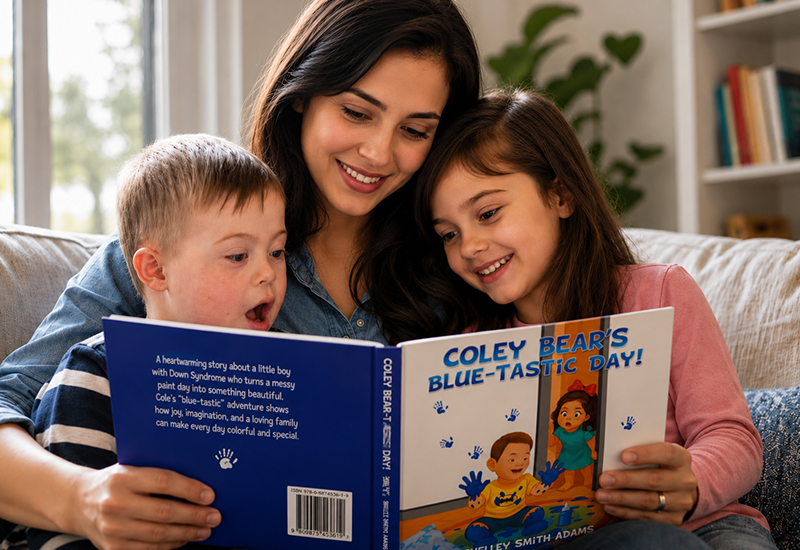
When it comes to nurturing imagination, emotional intelligence, and early literacy, short story children’s books hold a special place in a young child’s world. Their brief yet meaningful narratives are perfectly designed for little attention spans while still delivering powerful lessons wrapped in joy and humor. Among today’s delightful reads, one book that beautifully captures the magic of curiosity, creativity, and family warmth is Coley Bear’s Blue-Tastic Day! by Shelley Smith Adams.
This charming picture book is a wonderful example of how short stories can turn an ordinary morning into an unforgettable adventure filled with laughter, learning, and love. Let’s explore why this book stands out and why stories like this are essential for children ages 2 to 6.
Why Short Stories Matter for Young Kids
Young children thrive on stories that are:
- Simple yet engaging
- Playful yet meaningful
- Relatable yet imaginative
That’s exactly what short stories for children provide. These stories introduce real-life situations in a way that feels safe and joyful. They help children process emotions, explore creativity, and understand cause and effect without overwhelming them. For toddlers and preschoolers, especially, a short story picture book for children’s reading time works best because it:
- Matches their developing attention span
- Encourages repetition and participation
- Builds vocabulary through rhythm and sound
- Creates bonding moments during read-aloud sessions
Coley Bear’s Blue-Tastic Day! perfectly fits this description.
A Blue-Tastic Adventure: The Story at the Heart
At the center of this delightful narrative is Cole, a curious and imaginative child enjoying a quiet morning. Watching his favorite cartoon character paint sparks an idea: “I want to paint too!”
What follows is a classic childhood moment that parents instantly recognize. Cole tiptoes to the craft cabinet, discovers the finger paints, and chooses his favorite color—blue. The progression is simple and playful:
- One finger
- Two fingers
- Whole hand
Soon, the paint isn’t just on paper—it’s on arms, legs, and eventually everywhere.
“Drip.
Smear.
SPLAT!”
In just a few words, the author captures the pure sensory delight children experience when exploring something new. This is the charm of short story children’s books—they zoom in on a single moment and turn it into a meaningful memory.
Creativity Without Shame: A Powerful Parenting Message
One of the most beautiful aspects of this story is how it handles the “mess.” When Ryleigh calls for Mom and announces that “Cole is BLUE!” readers may anticipate scolding. Instead, we see a realistic yet loving response. Mom freezes for a moment (a very human reaction), but she notices Cole’s pride and smile. Rather than shaming him, she gently redirects him:
- Acknowledging that he got the color right
- Praising his effort
- Suggest painting on paper next time
They don’t just entertain; they model emotional intelligence. Children learn that mistakes are part of learning. Creativity is encouraged, not crushed. In the world of short story books for kids, that lesson is priceless.
Sensory Play and Early Development
For children ages 2 to 6, sensory exploration is essential. Finger painting supports:
- Fine motor skills
- Texture awareness
- Cause-and-effect understanding
- Color recognition
Coley Bear’s Blue-Tastic Day! celebrates sensory play humorously. Cole doesn’t just paint—he immerses himself in the experience. The repetition of the color blue reinforces early language development while keeping the story playful.
That’s why short stories like this are often among the best short story books for young readers. They combine entertainment with developmental growth in subtle, powerful ways.
The Role of Family in Short Story Children’s Books
Family dynamics in this book are heartwarming and realistic. We see:
Ryleigh (Sibling Support)
She calls for Mom, but later affirms Cole’s effort. She even offers practical advice about painting on paper next time. This is a model of healthy sibling interaction.
Mom (Emotional Regulation)
She demonstrates patience and understanding. Her response teaches children that love doesn’t disappear when mistakes happen.
Daddy (Humor and Partnership)
The final line, “Thank goodness for Daddy,” adds a lighthearted tone, implying teamwork in cleanup. It subtly reinforces family cooperation.
Many children’s books focus on family because children learn emotional patterns from these small, everyday moments. This story is a shining example.
The Power of Simplicity in a Short Story Picture Book for Children’s Reading
The language of the book is intentionally simple:
- Short sentences
- Repetition
- Sound effects
- Bold emotional moments
Words like “Drip,” “Smear,” and “SPLAT!” make the story interactive and fun during read-aloud time. Children can echo the sounds, laugh at the mess, and anticipate what happens next.
This rhythmic simplicity is so effective. It doesn’t overcomplicate. It focuses on one relatable event and lets it shine.
Emotional Safety: A Hidden Treasure
A major strength of this book is emotional safety.
Cole asks, “Good job?”
That small question carries emotional weight. He seeks reassurance. Ryleigh responds with affirmation and gentle correction. These models:
- Confidence-building communication
- Encouragement with boundaries
- Support without humiliation
When children read stories like this, they internalize the idea that:
- They are allowed to try.
- They are allowed to make messes.
- They are still loved.
That is the magic behind the best short story books for young readers.
Why Ages 2 to 6 Benefit the Most
From toddlerhood through kindergarten, children are learning:
- Emotional expression
- Independence
- Creative risk-taking
- Social interaction
Short story children’s books provide manageable lessons wrapped in humor. They are short enough to reread multiple times in one sitting—something young children love.
Coley Bear’s Blue-Tastic Day! is especially effective because it reflects a real developmental stage. Many children experiment with independence in similar ways. The story validates their curiosity while teaching gentle boundaries.
For more colorful stories and educational content for your kids, read our blog “Best Children’s Picture Books: Timeless and Colorful Stories That Delight, Educate, and Inspire.”
A Perfect Bedtime or Classroom Read
This book works beautifully for:
- Bedtime reading
- Preschool classrooms
- Library story time
- Early childhood therapy sessions
Because it is concise and vivid, it fits perfectly within the structure of short story books for kids that educators prefer for group reading. Teachers can use it to discuss:
- Where we should paint
- Cleaning up after ourselves
- Expressing pride
- Helping siblings
That makes it one of the best children’s books for social-emotional learning discussions.
Encouraging Creativity at Home
Parents reading this book may feel inspired to:
- Set up safe art spaces
- Encourage supervised sensory play
- Respond calmly to creative messes
- Praise effort over perfection
In a world where children are often told “don’t touch,” stories like this remind families that exploration is healthy. Short story children’s books can act as gentle parenting guides disguised as playful tales.
Age-Wise Picks (2 to 6): Exploring Similar Themes
If you’re looking to expand your child’s library with more heartwarming stories, here are a few age-appropriate reads that align with themes of inclusion, friendship, and understanding:
All Are Welcome by Alexandra Penfold
All Are Welcome is a vibrant story celebrating diversity and inclusion in a school community, showing children that everyone belongs.
Sam’s Super Seats by Keah Brown
Sam’s Super Seats is a joyful and empowering story about accessibility and friendship, highlighting creative problem-solving.
A Friend for Henry by Jenn Bailey
A Friend for Henry is a thoughtful narrative about connection and understanding from the perspective of a child navigating social interactions.
These books complement the emotional warmth found in Coley Bear’s Blue-Tastic Day! and are wonderful additions to enriching reads. Families seeking more age-appropriate book recommendations are encouraged to visit our blog “Inclusive Children’s Picture Books Every Family Should Read in 2025.”
What Makes This One of the Best Short Story Books for Young Readers?
Let’s summarize why this book shines among children’s books:
- Relatable childhood scenario
- Encourages creativity
- Models positive parenting
- Supports emotional development
- Promotes sibling kindness
- Uses engaging repetition
- Balances humor and heart
The story proves that even a simple moment—like finger painting—can carry deep lessons when told thoughtfully.
For more insights on Shelley Smith Adams’s book, explore our blog “Top Picture Books for Young Readers: Exciting and Heartwarming Stories Kids Will Adore.”
Final Thoughts: Blue Paint, Big Lessons
At its core, Coley Bear’s Blue-Tastic Day! reminds us that childhood is beautifully messy. The sofa can be cleaned. The paint can wash off. But a child’s confidence, once discouraged, is harder to restore.
That’s why thoughtfully written short stories matter so much in early development. They plant seeds of creativity, resilience, empathy, and love in small but lasting ways.
If you are building a home library filled with the best short story children’s books, this heartwarming blue adventure deserves a place on the shelf. Through laughter, gentle correction, and unconditional support, it shows that every messy moment can become a meaningful memory.
And sometimes, all it takes is one small finger dipped in blue paint to create a big lesson about growing up.