Skip to content
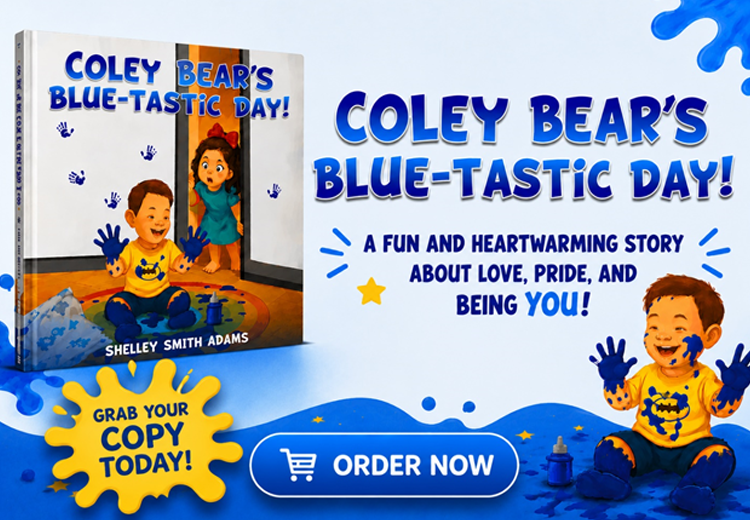

Children’s literature has an extraordinary power to shape how young minds perceive the world around them. When children encounter stories that reflect the rich diversity of human experience, they develop empathy, curiosity, and acceptance. Books about Down syndrome serve as particularly valuable tools in this developmental journey, offering windows into lives that may differ from a child’s own while highlighting the universal emotions and experiences we all share. Shelley Smith Adams‘ delightful picture book, Coley Bear’s Blue-Tastic Day!, exemplifies how such stories can celebrate individuality while teaching essential lessons about inclusion and understanding.
Why Stories Matter in Helping Children Understand Differences
Stories create safe spaces for children to explore unfamiliar experiences and develop emotional intelligence.
Narrative is one of the most natural ways children learn about the world. Through stories, young readers can step into someone else’s shoes, experience their joys and challenges, and emerge with a broader understanding of humanity. Books about Down syndrome harness this storytelling power to introduce children to peers who may think, learn, or express themselves differently. Rather than presenting differences as barriers, these stories demonstrate that every child has unique gifts and perspectives worth celebrating. When children engage with characters who have Down syndrome, they learn that diversity enriches our communities and that kindness and curiosity are far more valuable than assumptions or fear.
Understanding Differences and Diversity Through Children’s Literature
Quality children’s books about diversity provide authentic representations that help young readers recognize both what makes us unique and what connects us all, such as:
1. Stories Provide Opportunities to Learn About Individual Differences
Children’s literature offers structured opportunities for young readers to encounter lives beyond their immediate circles. Books about Down syndrome children are especially valuable because they present neurodivergent characters in relatable, everyday contexts. In Coley Bear’s Blue-Tastic Day!, readers meet Cole, a young boy who loves painting and watching cartoons, activities any child can recognize. The story invites readers to see him first as a playful, curious child who happens to have Down syndrome. This approach helps children understand that differences are simply one part of a person’s complete identity, not the defining characteristic.
2. Characters Help Children Connect with Different Experiences
Well-crafted characters allow children to form emotional connections that transcend surface-level differences. When Cole joyfully covers himself in blue paint, young readers see a child having a wonderful time. They recognize his excitement, his pride in his creation, and his delight in sensory play. These shared emotions create bridges of understanding. Books create these connections by presenting fully realized characters whose personalities, interests, and emotions are rich and multifaceted. Cole is not a symbol or a lesson; he is a boy who loves blue, acts on impulse, takes pride in his work, and has a family that adores him.
3. Moving Beyond Superficial Differences
The best books about this genre teach children to look beyond appearances and assumptions. Coley Bear’s Blue-Tastic Day! demonstrates this by focusing on Cole’s personality and creativity rather than his diagnosis. The story shows a family that celebrates Cole’s “blue-tastic” mess because they see the joy and pride behind it. Children reading this book learn that understanding someone means looking at their heart, not just their abilities or appearance. This lesson extends far beyond Down syndrome and helps children approach all people with openness and respect.
Moving beyond superficial differences requires intentional effort, and stories provide the perfect training ground. When children read about characters who are initially shocked by differences, like Ryleigh’s wide-eyed discovery of her blue-covered brother, they learn that surprise is natural but that kindness and understanding should follow. The book’s resolution, in which Mom chooses to smile rather than scold, and Ryleigh offers gentle advice about painting on paper, models the kind of compassionate response that transforms initial surprise into genuine connection.
How Coley Bear’s Blue-Tastic Day! Introduces Individuality
This charming true story celebrates one child’s unique spirit while inviting readers to appreciate the beauty of individual expression:
1. Cole’s Personality and Creative Interests
Coley Bear’s Blue-Tastic Day! establishes Cole as a child full of curiosity and energy. Inspired by a cartoon, he fetches fingerpaints and chooses his favorite color, blue. The text emphasizes his delight as he dips “ONE finger… Then TWO. Then his WHOLE HAND” into the paint. Shelley Smith Adams captures her son’s personality with warmth and authenticity, presenting a character who is endlessly expressive and joyfully impulsive. The specificity of Cole’s interests makes him feel real and distinct, not like a generic representation of a child with Down syndrome.
2. Seeing the World Through Cole’s Experience
The book invites readers into Cole’s perspective during a seemingly ordinary morning. The story depicts the world as he experiences it, full of color, sensory excitement, and freedom to explore. When Cole turns “BLUER and BLUER by the second,” readers feel his pride and happiness. These are among the best books about Down syndrome for kids 2026 because they portray neurodivergent children as whole, complete individuals with rich inner lives and distinct perspectives. Entering another person’s perspective is one of literature’s most powerful gifts, developing empathy that serves children throughout life.
3. Why Everyday Childhood Stories Matter
Coley Bear’s Blue-Tastic Day! is not a story about Down syndrome; it is a story about a child who happens to have it. By focusing on a universal childhood experience, the book normalizes Cole’s life and shows that children with Down syndrome experience the same adventures, mistakes, and joys as anyone else. When children read about Cole’s painting mishap, they see a child who could be a friend, a sibling, or even themselves. Children learn that people with Down syndrome are not defined by their diagnosis but by their personalities, interests, and relationships.
How Down Syndrome Books Encourage Children to Appreciate Diversity
Stories featuring neurodivergent characters help children recognize that differences in expression and interests enrich our understanding of what it means to be human:
1. Recognizing That Every Child Has Different Interests
Coley Bear’s Blue-Tastic Day! highlights how Cole’s fondness for blue and desire to paint differ from his sister Ryleigh’s interests. Ryleigh appears in the doorway, wide-eyed at the mess, demonstrating her own way of engaging with the world. The book celebrates these distinct personalities within the same family. Sibling dynamics provide rich material for exploring differences; Ryleigh seems cautious and observant, while Cole is impulsive and expressive. Books that include sibling characters offer additional layers of learning, showing children how to navigate relationships with those who experience the world differently.
2. Understanding That Emotions Are Shared Experiences
While Cole’s actions are uniquely his own, his emotions, such as excitement, pride, and happiness, are universal. The story emphasizes that Mom’s initial shock transforms into a smile when she sees “the smile on Cole’s face and the pride in his eyes.” This moment demonstrates that all children share the same fundamental needs for acceptance and celebration. Books help children recognize that beneath different behaviors and expressions, all people experience the same feelings and deserve the same understanding. Books emphasizing shared emotional experiences are among the best books about Down syndrome for kids in 2026 because they build genuine understanding rather than superficial tolerance.
3. Appreciating Different Ways of Exploring the World
Some children paint on paper; Cole paints on the sofa and on himself. The story doesn’t criticize Cole’s approach; it celebrates his enthusiastic engagement with his environment. Parents and children reading together can discuss how Cole’s way of exploring the world is simply one of many valid approaches. This lesson encourages children to appreciate that different people engage with their surroundings differently. Children who learn to value Cole’s approach can extend that acceptance to peers who learn, communicate, or play differently, developing curiosity rather than judgment.
The Role of Family Members in Teaching Acceptance
The adults and siblings in a child’s life model the attitudes and behaviors that shape how children perceive differences, such as:
1. Mom’s Reaction to Cole’s Painting Adventure
One of the most powerful moments in Coley Bear’s Blue-Tastic Day! occurs when Mom discovers the blue-covered sofa. Rather than expressing anger, the text reveals that “Mom wanted to cry as she saw the mess… however, the smile on Cole’s face and the pride in his eyes only made her smile.” This deliberate choice, prioritizing her son’s joy over material possessions, teaches children a profound lesson about love and priorities. In the world of books about Down syndrome, Mom’s reaction demonstrates that genuine acceptance starts within the family, and that patience and understanding allow children to flourish. Her internal conflict shows children that difficult emotions are normal, but we can choose how to act on them.
2. Ryleigh’s Interaction with Her Brother
Ryleigh’s role in the story offers a compelling example of sibling support. Initially startled (“COLE IS BLUE!”), she quickly transitions into a helpful, affectionate sister. She giggles at the situation, asks Cole about his artwork, and gently suggests that next time they should paint on paper. Her response demonstrates that acceptance doesn’t require pretending differences don’t exist; it means acknowledging them with humor and kindness while maintaining expectations for better choices. Her affirming yet redirecting response, “Yes, Cole, you did a good job, but maybe next time, let’s paint on paper!,” models how to be encouraging without being dishonest and how to set boundaries without being harsh.
3. How Family Conversations Can Reinforce Acceptance
Books like Coley Bear’s Blue-Tastic Day! provide natural starting points for family conversations. When parents discuss why Mom chose kindness over anger, or why Ryleigh helped her brother clean up, they reinforce the lessons embedded in the story. Families who want access to excellent resources will find that being able to buy children’s books about Down syndrome like this one allows them to revisit these important themes regularly. Simple questions like “Why do you think Mom smiled when she saw the mess?” can spark meaningful discussions. Families who make books part of their regular reading routine create ongoing opportunities for these valuable conversations about acceptance.
Using Books About Down Syndrome to Start Conversations About Inclusion
Framing discussions around characters and story events helps children process complex concepts, such as:
1. Asking Children What They Notice About the Characters
One effective approach to using books is to ask open-ended questions after reading. Children might notice that Cole is very energetic, loves painting, or that his family loves him very much. They might also notice that Cole looks or communicates a little differently. These observations create opportunities to discuss what makes each person unique. When adults respond thoughtfully, affirming curiosity while gently guiding it toward understanding, they help children develop positive frameworks for encountering neurodivergent peers. It’s important to welcome all observations, even those that seem insensitive. If a child says, “Cole acts weird,” adults can gently explain that Cole experiences the world differently and that his way of expressing himself is valid.
2. Talking About Similarities and Differences
Coley Bear’s Blue-Tastic Day! offers an excellent springboard for conversations about how Cole is both similar to and different from other children. Children can identify that Cole loves cartoons, feels pride in his accomplishments, and has a caring family, all experiences they might share. They can also notice that Cole has his own way of doing things and that his family responds with particular patience and understanding. Discussing these similarities and differences helps children recognize that differences and similarities coexist within every person. These conversations can be extended by asking children to identify similarities and differences among their own family members, friends, or classmates, helping them appreciate the richness that diversity brings to their lives.
3. Encouraging Respectful Language and Attitudes
Parents and educators can use Cole’s story to model and encourage respectful language about differences. When children ask why Cole has Down syndrome or why he acts the way he does, adults can offer clear, simple explanations emphasizing that people with Down syndrome experience the world in their own unique ways and deserve kindness and respect. The book’s dedication, which reveals that Cole “sees the world in a wonderfully unique way,” provides helpful framing for these conversations. Respectful language includes person-first phrasing (referring to “a child with Down syndrome” rather than “a Down syndrome child”), which emphasizes that the individual is more important than the diagnosis. Families who read books can use the text as a model for respectful language, noting how the book celebrates Cole’s personality rather than focusing on limitations.
Practical Ways to Make Diversity Discussions More Meaningful
Making diversity discussions meaningful requires intentionality, choosing the right stories, creating safe spaces for questions, and modeling the behaviors we hope to see. Families can transform ordinary story time into powerful preparation for a diverse world by following these practical steps:
- Choose high-quality stories intentionally: Select books about Down syndrome that offer authentic, respectful representations of neurodivergent children. Reading Coley Bear’s Blue-Tastic Day! together provides a shared experience that naturally generates questions and reflections.
- Create safe spaces for questions: During and after reading, welcome children’s curiosity without judgment. Answer questions honestly and encourage further exploration rather than shutting down uncomfortable observations.
- Connect stories to real life: Extend discussions into everyday contexts; talking about classmates or neighbors who may process the world differently helps children link story lessons to their own lives.
- Invest in empathy through reading: When families buy children’s books about Down syndrome, they invest in their children’s capacity for understanding and compassion.
- Celebrate individual expression: Recognize moments of unique creativity, whether a child’s artwork or a different way of playing, reinforcing that diversity is something to value rather than fear.
- Seek inclusive experiences: Arrange playdates, community events, and school programs that bring together children of varying abilities, providing real-world practice for lessons learned through books.
- Model acceptance daily: Parents demonstrate through words and behaviors that all people deserve respect and kindness. When children see parents treating everyone with dignity, they internalize these values and carry them into their own relationships.
Beyond reading and discussing, families can seek out opportunities for children to interact with diverse peers in supportive environments. When children see their parents treating everyone with dignity and kindness, they internalize these values and carry them forward into their own relationships. These practical steps transform story time into meaningful preparation for a diverse world.
What Children Can Learn from Coley’s Story
Coley Bear’s Blue-Tastic Day! teaches children that every person has unique gifts, that families love and support each other through challenges, and that joy is worth celebrating even when it creates a mess.
- Personality over diagnosis: Children learn that Cole is not defined by his diagnosis but by his personality, his love for blue, his enthusiasm for painting, and his pride in his creations.
- Family support matters: They learn that family members like Ryleigh and Mom respond to difficulties with patience and humor, and that these responses are choices they can make too.
- Acceptance means seeing the whole person: Most importantly, children learn that acceptance means appreciating what makes someone special rather than focusing on differences.
- Differences are opportunities: Children who learn to appreciate Cole’s unique approach to painting are better prepared to appreciate the unique qualities of everyone they meet, understanding that differences are opportunities for learning and growth.
- Lessons that last: These are exactly the lessons that books about Down syndrome aim to impart, and they will serve children well throughout their lives.
By sharing stories like this one with young readers, we contribute to building a more inclusive, compassionate world for everyone. The lessons of this story extend far beyond the final page, shaping how children approach differences for years to come.
Conclusion
Coley Bear’s Blue-Tastic Day! by Shelley Smith Adams exemplifies everything books about Down syndrome can accomplish in the hands of a skilled author. This vibrant, heartwarming story introduces young readers to Cole, a child whose joy and creativity shine on every page. Through Cole’s painting adventure, children learn that differences are not obstacles to understanding but invitations to celebrate the beautiful diversity of human experience. Families who make books a part of their reading routine give their children powerful tools for empathy, acceptance, and inclusion. By choosing the best books about Down syndrome for kids 2026, parents ensure their children have foundational resources for becoming kind, curious, and understanding people. When we share stories like Cole’s, we teach children that every person, regardless of how they experience the world, deserves to be seen, celebrated, and loved.
Frequently Asked Questions
How is Cole connected to the author?
Cole is Shelley Smith Adams’ son, and the book is based on a true story about him. The author dedicates the book to her “Coley Bear,” revealing that Cole has Down syndrome and sees the world in a wonderfully unique way that inspires others.
What does the dedication say about Coley Bear?
The dedication reads: “I dedicate this book to my Coley Bear, who always finds a way to keep me on my toes!” This shows the author’s deep love for her son while acknowledging his playful, energetic spirit that keeps life full of surprises.
How does Ryleigh react when she first sees Cole covered in paint?
Ryleigh’s eyes go wide with shock when she discovers her brother. She calls out, “Mmmmmm!!! You might want to come and look at this! COLE IS BLUE!” clearly alarmed by the messy scene before her.
How does Mom respond after seeing Cole’s pride in his artwork?
Mom initially freezes, wanting to cry at the mess on the sofa. However, when she sees the smile on Cole’s face and the pride in his eyes, she chooses to smile instead, valuing her son’s joy over material possessions.
Who helps clean the sofa after Cole’s painting adventure?
Daddy comes to the rescue and cleans the blue-covered sofa with a brush and spray bottle. The book concludes with the grateful line, “Thank goodness for Daddy,” highlighting his role in restoring order after Cole’s messy adventure.
Ready to help your child develop empathy through the power of storytelling? Get your copy of Coley Bear’s Blue-Tastic Day! by Shelley Smith Adams from Amazon now and let Cole’s adventure teach what words alone cannot.